Be yourself; Everyone else is already taken.
— Oscar Wilde.
This is the first post on my new blog. I’m just getting this new blog going, so stay tuned for more. Subscribe below to get notified when I post new updates.
Be yourself; Everyone else is already taken.
— Oscar Wilde.
This is the first post on my new blog. I’m just getting this new blog going, so stay tuned for more. Subscribe below to get notified when I post new updates.
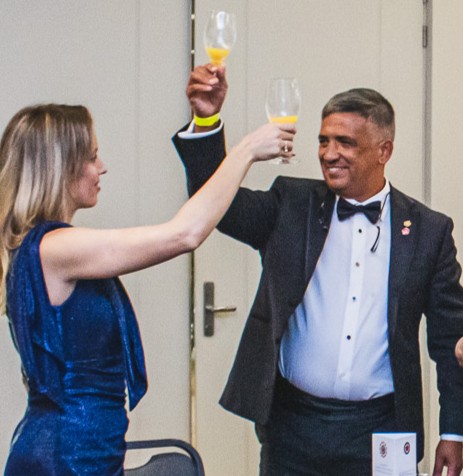
Celebração do quinquagésimo quinto aniversário do MS Julio Camacho – 2024
Na tradição das artes, o equilíbrio reside na união de dois pilares fundamentais. Man (文) representa a erudição e a maestria nas chamadas “artes leves”, como a caligrafia, a pintura, a poesia e o cultivo do intelecto. Em alto nível, compreendo o Man como o cuidado invisível. Já Mo (武) evoca as “artes pesadas”, a disciplina marcial e a eficácia técnica; o que entendo também como o cuidado visível. Em altíssimo nível, todo praticante desenvolve habilidades em ambas as perspectivas, mas ainda assim é possível perceber nitidamente a proximidade de cada um ao considerarmos esses dois aspectos. Tomo por empréstimo essas características para exemplificar a dinâmica da minha família Kung Fu.
No mundo da gestão e das estruturas rígidas, fomos ensinados que para cada veículo deve haver apenas um condutor principal. A ideia de um piloto e um copiloto traz uma falsa sensação de segurança baseada na hierarquia, especialmente quando o trabalho é compartilhado por pessoas de sexos opostos. Nestes casos, o senso comum apressa-se em definir quem é superior ao outro.
Mas, na vivência da nossa Família Kung Fu, aprendemos uma verdade muito mais sofisticada: a de que é possível compartilhar o manche com igual maestria. Aqui, dois líderes não se anulam nem se tornam dependentes; eles se potencializam. Hoje, celebramos a vida de quem personifica essa liderança de forma única.
Dizer que minha Si Mo, a senhora Márcia Moura Camacho ocupa este lugar apenas por ser a companheira do meu Mestre seria ignorar a força da sua própria trajetória. Ela é líder por escolha, por presença e por uma percepção aguçada que muitas vezes escapa aos olhos menos treinados.
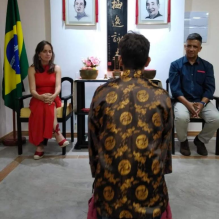
Cerimônia de Reafirmação Discipular – 2019
Já mencionei em outra oportunidade como essa parceria mágica se manifesta. Tratei, à época, de quando eu estava imerso no trabalho exaustivo de pintura do Mo Gun. O cuidado veio de onde eu menos esperava. Não era obrigação do Si Fu me alimentar, nem cruzar a cidade para me entregar um jantar quente. Mas foi a sensibilidade da Si Mo que enxergou a necessidade onde havia apenas o cansaço. Aquele alimento, entregue em mãos a pedido dela, não era apenas nutrição para o corpo; foi um aprofundamento teórico e prático de que o cuidado habita as operações mais sutis e corriqueiras. Como artista marcial, eu exercitava a capacidade de lidar com o desconforto, mas o gesto da Si Mo me fez perceber que o alívio de qualquer mal-estar é, por si só, um estudo refinadíssimo sobre como praticamos nossos sistemas marciais.
Essa história de liderança e presença atravessa continentes. Recordo-me de quando o Si Fu enfrentou uma cirurgia cardíaca crítica nos Estados Unidos. Recebíamos vídeos dele monitorado por fios e conexões. Ele tentava manter uma voz otimista e, mesmo depois, ao nos enviar imagens caminhando, ainda visivelmente fragilizado, a angústia permanecia. As telas não me davam garantias claras.
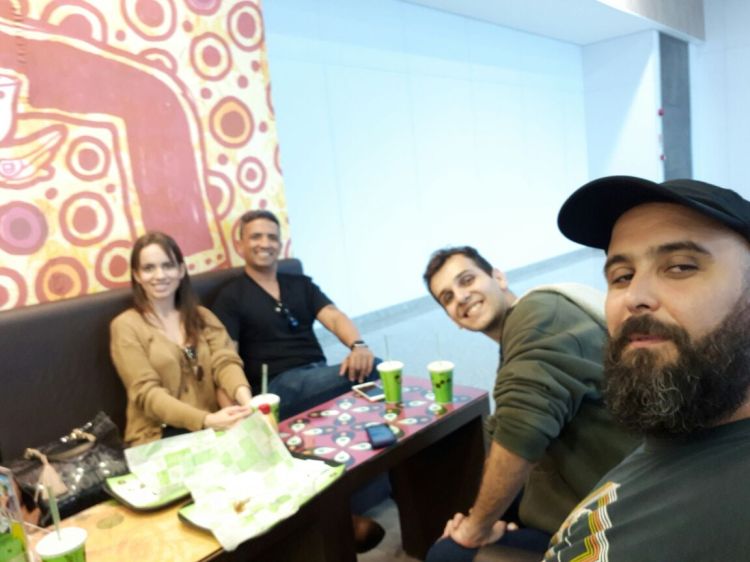
Comitiva de Visita a Angola — 2017
Foi então que a Si Mo resolveu vir pessoalmente ao Brasil. Ela cruzou continentes para nos olhar nos olhos e garantir que, de fato, tudo estava bem. Talvez eu não domine a língua portuguesa o suficiente para decodificar a importância daquela presença, o mais provável é que não existam palavras para o que aconteceu ali. O que sei é: Si Mo cuidou do marido quando foi necessário e escolheu cuidar da sua Família Kung Fu de um jeito que somente ela poderia fazer.
Si Fu e Si Mo são o exemplo perfeito da união entre Man (文) e Mo (武). Cada um a sua própria maneira e jeitos de escolha, sobretudo, optando por se complementarem
Feliz aniversário, Si Mo. Obrigado por escolher liderar o nosso clã com essa força que acolhe, que informa e que, acima de tudo, nos inspira a buscar a nossa própria força através do seu exemplo.
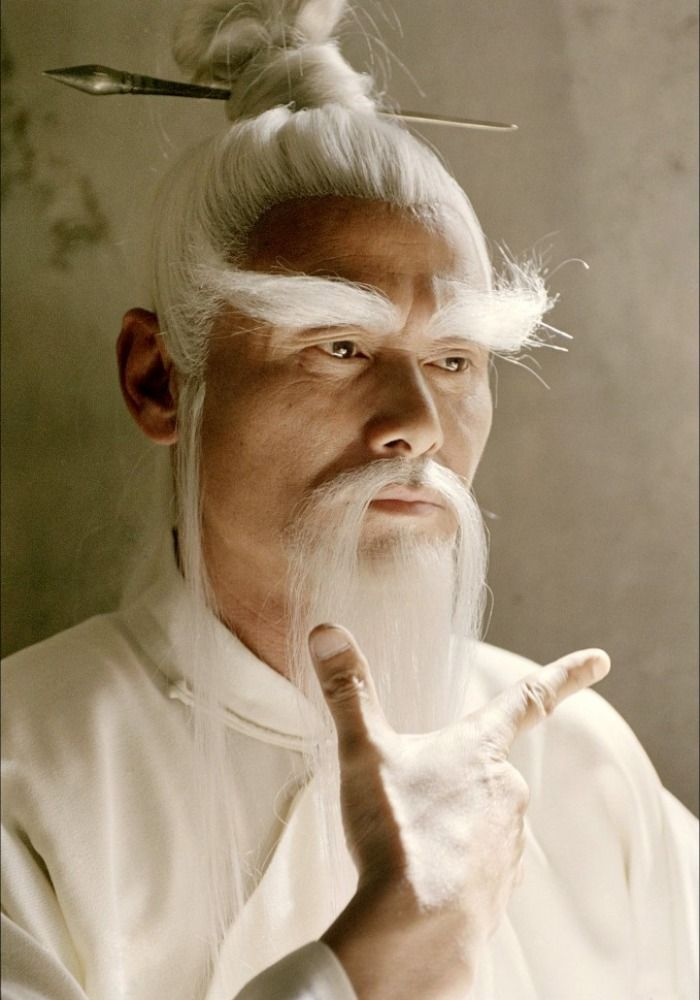
A mestria é um processo e, claramente, pode ser dividida em duas etapas. A primeira diz respeito à jornada individual do praticante. Este é o momento de forjar o coração; nesta etapa, o praticante realiza seus estudos orientado por seu mestre e busca, a partir de sua necessidade particular, o desenvolvimento pleno de suas capacidades intrínsecas e muitas vezes latentes.
Essa etapa é marcada pelo desenvolvimento de habilidades técnicas específicas e particulares, voltadas absolutamente para o desenvolvimento pessoal. A este praticante, é outorgado o título de mestre de algum sistema, cuja motivação é o desenvolvimento do Kung Fu. Si Fu (師傅).
O segundo momento trata de um discípulo maduro, capaz de dividir sua capacidade pessoal com a necessidade e/ou capacidade do todo, apoiando-se no potencial da situação para exercer sua mestria. Nesta etapa, o indivíduo se apoia em habilidades que lhe são próprias com o intuito de inspirar, desenvolver e capacitar o todo. Dessa forma, aproveita-se do que é compartilhado por seus alunos, gerando um conjunto de experiências impossíveis de se exercer ao considerar apenas a própria capacidade individual — por mais louvável que esta seja.
A este, é outorgada a condição de mestre do que se convencionou chamar de Kung Fu. Neste caso, refiro-me ao Si Fu (師父).
Note que os termos possuem significados em si e também são validados por conceitos prévios e por interpretações pessoais de seu usuário. Por isso, esclareço que o uso da expressão “forjar o coração” vai além de sua possível interpretação primária. Trata-se de um trabalho contínuo, árduo, fluídico e vermelho — bases elementares para o desabrochar da essência individual e seu retorno ao início, ao “bebê vermelho”, bem como a inspiração para que outros possam trilhar sua própria jornada.
Sobre o uso diferencial dos termos Si Fu, explico através de imagens.
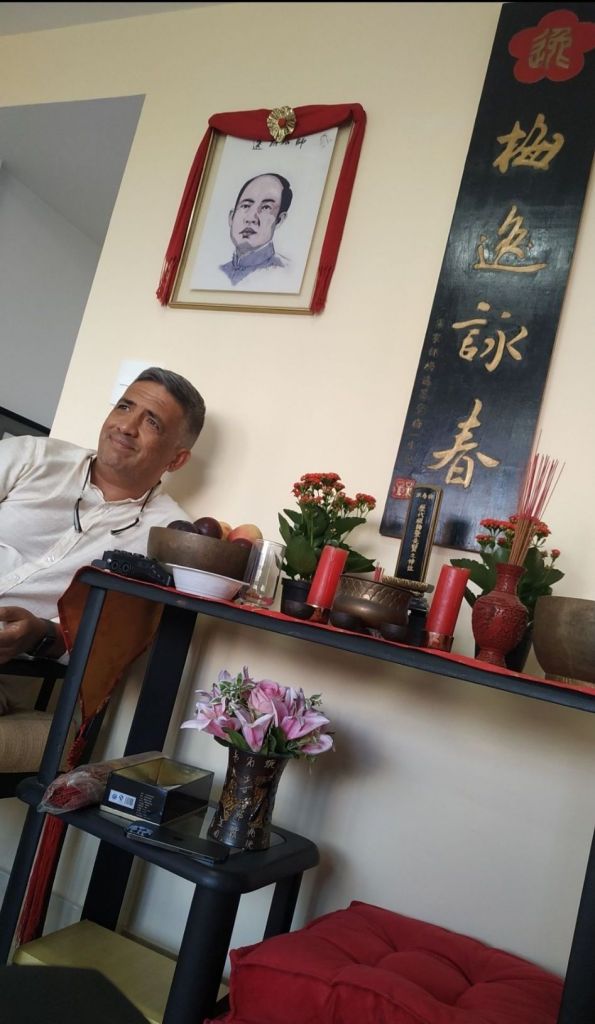
Existem dois filmes que, para mim, esclarecem especificamente o que vem sendo tratado até o momento.
Whiplash – Em Busca da Perfeição é um filme de 2014, dirigido por Damien Chazelle, com Miles Teller (Andrew Neiman) e J.K. Simmons (Terence Fletcher) no elenco principal. Trata-se de um filme sobre a relação intensa — e muitas vezes abusiva — entre um jovem baterista de jazz, Andrew, e seu professor extremamente exigente, Terence Fletcher.
A história gira em torno de uma questão central:
até onde vale a pena ir em busca da perfeição?
Já Mr. Holland: Admirável Professor, filme de 1995 dirigido por Stephen Herek, apresenta a trajetória de Glenn Holland, um músico e compositor que aceita um emprego como professor de música em uma escola pública para, teoricamente, ter tempo para compor sua grande obra.
Com o passar dos anos, a narrativa acompanha o impacto direto e indireto de seu trabalho no desenvolvimento dos alunos e da comunidade escolar. O filme aborda:
A obra atravessa décadas da vida de Holland, mostrando como sua carreira docente, inicialmente encarada como temporária, torna-se seu verdadeiro eixo de realização. A grande composição que desejava criar assume outra forma: manifesta-se na vida dos jovens que formou.
É um filme sobre trabalho, persistência, formação humana e construção de sentido através do ensino.
No âmbito dos nossos termos, penso que ambos podem ser considerados Si Fu.
A diferença é que, no primeiro caso, Terence Fletcher congelou-se no título. Seu objetivo principal era criar uma grande obra — e permaneceu restrito a isso. Por essa razão, extrapolou a medida do que é saudável, levando tudo ao limite apenas pela busca de seu próprio fim.
Já Glenn Holland, que iniciou com o mesmo projeto de Terence Fletcher, teve a oportunidade de se moldar ao cenário e se reinventar.
Fletcher conquistou o melhor solo de bateria que o mundo teria ouvido, Holland,Governadores, Acessores especiais e pessoas de alto estirpe de maneira geral.
Para mim, a principal diferença entre um e outro é a papacidade de proporcionar algo para alem de si.
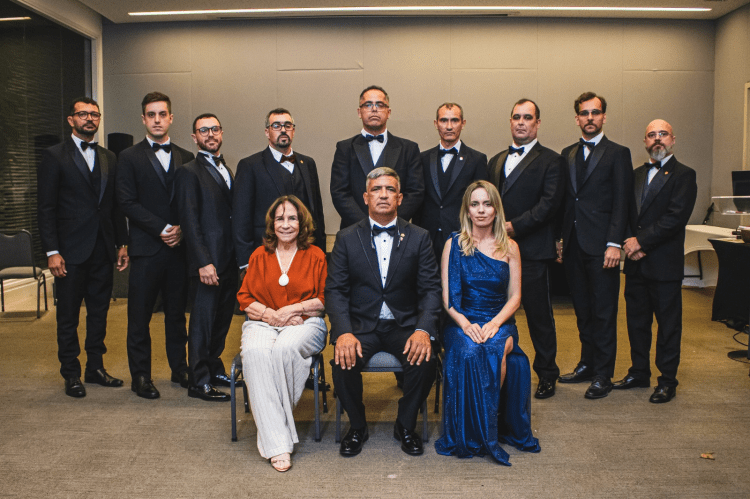
Mas ainda não finalizei minha reflexão. Acredito, de fato, ter deixado clara a diferença entre os termos Si Fu. Porém, como vocês bem sabem, a subjetividade e a capacidade interpretativa são absolutas para quem escreve. E, justamente por isso, não posso ignorar que existe uma outra categoria possível — esta, exclusiva. Refiro-me ao meu Si Fu, Mestre Sênior Julio Camacho.
Ao observar os filmes, percebo que o Si Fu Holland não possui a habilidade técnica de Terence. Portanto, ele provavelmente jamais formaria alguém como o exímio baterista Andrew. Por outro lado, Terence também não tem a capacidade de olhar para além de sua própria necessidade e capacidade individual. Em parte por arrogância, em parte por limitação mesmo. Assim, dificilmente construiria líderes em qualquer âmbito.
Ambos, cada um à sua maneira, são incompletos: um é inteiramente técnico, o outro é inteiramente formador. Mas nenhum deles alcança o ponto onde verdadeiramente repousa a mestria.
E é aqui que meu Si Fu se destaca.
Si Fu tem uma carreira de mais de 30 anos como mestre — construída após outra trajetória, igualmente bem-sucedida, na publicidade. Ele escolheu ser quem é. E isso, meus amigos,realmente não é para qualquer um, muito diferente de um título ou condição, está sim, possível a todos que quiserem. Seu caminho não se limita ao desenvolvimento técnico individual nem se restringe à função de educar. Ele integra os dois e vai além: percebe o que a situação pede, responde à necessidade do todo e, ao mesmo tempo, mantém viva sua própria busca.
Em outras palavras, ele representa aquilo que Holland não alcança e aquilo que Terence não compreende. Uma mestria que não se congela no título, nem se dilui na função, mas se manifesta continuamente, em movimento, como coração que se forja e se renova — sempre vermelho, sempre vivo.
Por isso, Si Fu, peço que considere esta singela homenagem, em seu natalício de 56 anos, como um registro da admiração e inspiração que tenho por você. Não sei se vou conseguir viver uma vida íntegra e verdadeira como você, mas sei que tenho a absoluta sorte de estar muito bem acompanhado.
Muito obrigado,
Feliz aniversário.
(Fidelity and Loyalty as Paths to Kung Fu)
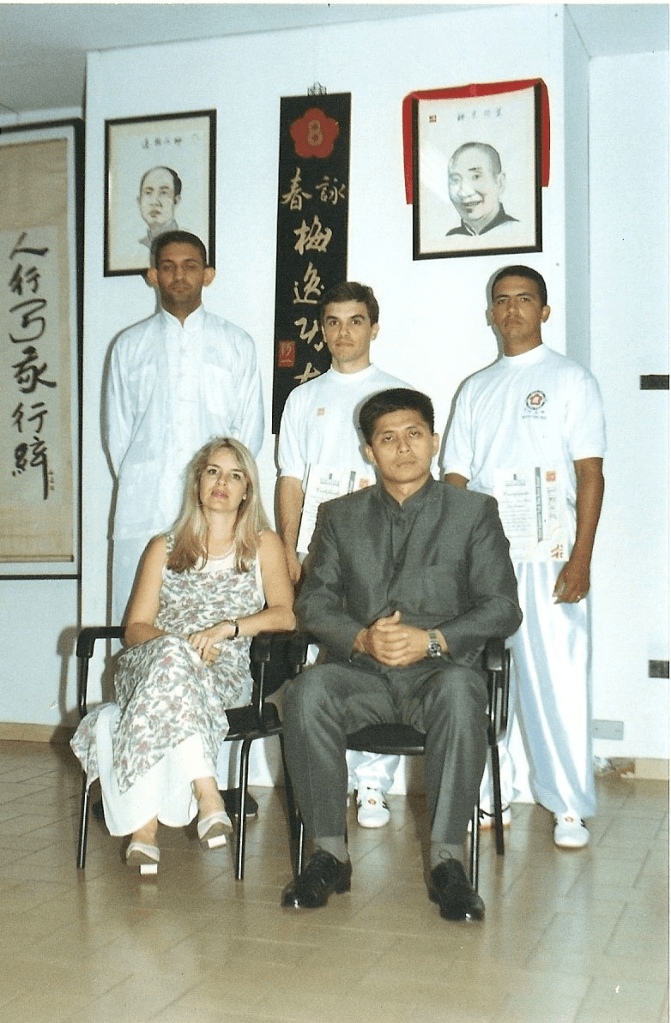
Considerando a etimologia das palavras fidelidade e lealdade, temos:
Fidelidade:
A palavra “fidelidade” vem do latim fidelitas, que deriva de fidelis, significando “fiel” ou “leal”. O prefixo “fid-” está relacionado à ideia de confiança e confiança mútua.
Fidelis (latim) significa “fiável”, “leal”, “que guarda a fé” e está relacionado à palavra fides, que significa “fé” ou “confiança”.
Lealdade:
A palavra “lealdade” vem do latim legitimitas, que deriva de legitimare, significando “tornar legítimo” ou “agir de acordo com a lei”. Nesse contexto, lealdade tem uma conotação de agir com retidão, respeitando uma norma ou um compromisso.
Ao longo do tempo, o termo passou a ser associado à ideia de agir com fidelidade, honra e compromisso, principalmente em relação a uma pessoa, grupo ou causa.
Sempre achei essas palavras semelhantes em seu significado e, de fato, são. A diferença está na adequação de seu uso. Enquanto a palavra fidelidade é direcionada aos pares, lealdade é dedicada àqueles que ocupam posições de liderança ou chefia e, por isso, possuem funções, percepções e responsabilidades diferentes.
(Considering the etymology of the words fidelity and loyalty, we have:
Fidelity:
The word “fidelity” comes from the Latin fidelitas, which derives from fidelis, meaning “faithful” or “loyal.” The prefix “fid-” is related to the idea of trust and mutual confidence.
Fidelis (Latin) means “trustworthy,” “loyal,” or “one who keeps faith” and is connected to the word fides, which means “faith” or “trust.”
Loyalty:
The word “loyalty” comes from the Latin legitimitas, which derives from legitimare, meaning “to make legitimate” or “to act in accordance with the law.” In this context, loyalty carries a connotation of acting with integrity, respecting a norm or commitment.
Over time, the term became associated with the idea of acting with fidelity, honor, and commitment, especially toward a person, group, or cause.
I’ve always found these words similar in meaning, and indeed, they are. The difference lies in their appropriate usage. While the word fidelity is directed toward peers, loyalty is dedicated to those in leadership or authority positions, who, as a result, have different roles, perspectives, and responsibilities.)

O exemplo que mais deixa clara essa diferença, em minha opinião, é a família Kung Fu, já que temos nosso mentor e, portanto, nossa referência no desenvolvimento da experiência marcial, e nossos irmãos Kung Fu, que são pessoas que compartilham o caminho.
A figura do Si Fu é única e imutável. Portanto, ele ou ela, no caso dela, a Si Fu, possui a responsabilidade e condições totais de guiar seus discípulos. Já os companheiros de prática, sendo este mais velho ou jovem, têm o dever de compartilhar a experiência marcial que tiveram com os demais como uma inspiração e, sobretudo, com a responsabilidade de entender que sua maneira de aprender é única e pessoal. Assim como tiveram essa oportunidade, os demais também têm esse direito.
(The example that, in my opinion, most clearly illustrates this difference is the Kung Fu family, as we have our mentor and, therefore, our reference in the development of the martial arts experience, as well as our Kung Fu brothers and sisters, who are people sharing the same path.
The figure of the Si Fu is unique and unchanging. Therefore, he or she (in her case, the Si Fu) has the full responsibility and capability to guide their disciples. On the other hand, practice companions, whether older or younger, have the duty to share their martial arts experience with others as a source of inspiration and, above all, with the responsibility of understanding that their way of learning is unique and personal. Just as they had this opportunity, others also have this right.)

Essa reflexão surgiu em determinado momento em que estava no Mo Gun com diversos praticantes. Estávamos cuidando do nosso espaço e, naquela ocasião, eu era o mais antigo. Imbuído do dever que tinha assumido para mim, apesar de ninguém definitivamente me direcionar, achei por bem pontuar eventuais falhas dos demais. Em dado momento, chamei a atenção de um companheiro, já que ele havia se distraído e deixado a luz do banheiro acesa, além de ter se esquecido de fechar a torneira da pia. Logo em seguida, percebi outras falhas e continuei pontuando até o momento em que percebi ter deixado transbordar um copo que enchia com água.
Minha distração não causou nenhum prejuízo, e rapidamente corrigi o erro, mas foi ótimo que tenha acontecido, pois percebi que estava no automático, apesar de ter uma postura travestida de Kung Fu, isto é, querer ensinar ao outro. De fato, Kung Fu não se ensina, se aprende.
É comum, quando se é mais antigo e na ausência do Si Fu, assumirmos responsabilidades pelos demais. Esse cenário é extremamente complexo. Posso citar momentos em que, sem perceber, tomei minha relação com Si Fu como o eixo de todo e qualquer contato e, dessa forma, ilegitimamente, assumi o papel de Si Fu para meus contemporâneos. Assim não funciona. A verdade é que somos alunos a vida toda e apenas uma parte dela também somos mestres.
Dessa forma, a melhor maneira de orientar meus pares é sendo o mais honesto possível, fiel a eles e, sobretudo, leal ao meu Si Fu. No caso da lealdade, a razão é muito simples: desde muito jovem aprendi que, independentemente da situação, é preciso não deixar de honrar um único compromisso, que é o de aprender sempre.
Por isso, a partir daquele dia, me policio para, em vez de dizer o que o outro deve fazer, procurar eu próprio fazer. Dessa forma, não estou ensinando, mas aprendendo, e o compromisso do outro em levar ou não adiante é uma questão particular; depende do Kung Fu de cada um.
Quanto ao papel de mestre, não sei como é. Apesar do título, isso ainda não me aconteceu.
(This reflection arose during a specific moment when I was at the Mo Gun with several practitioners. We were taking care of our space, and on that occasion, I was the most senior. Filled with the duty I had assumed for myself—even though no one had explicitly directed me to do so—I thought it appropriate to point out occasional mistakes made by others. At one point, I called out a companion because he had gotten distracted, left the bathroom light on, and forgotten to turn off the sink faucet. Soon after, I noticed other mistakes and continued pointing them out until I realized I had let a cup I was filling with water overflow.
My distraction didn’t cause any harm, and I quickly corrected the mistake, but it was great that it happened because I realized I was on autopilot, despite having a posture disguised as Kung Fu—that is, wanting to teach others. In reality, Kung Fu is not taught; it is learned.
It’s common, when you’re more senior and in the absence of the Si Fu, to take on responsibilities for others. This scenario is extremely complex. I can recall moments when, without realizing it, I took my relationship with the Si Fu as the axis of every interaction and, in doing so, illegitimately assumed the role of Si Fu for my peers. That’s not how it works. The truth is, we are students for life, and only for a part of it are we also masters.
Therefore, the best way to guide my peers is by being as honest as possible, faithful to them, and, above all, loyal to my Si Fu. In the case of loyalty, the reason is very simple: from a very young age, I learned that, regardless of the situation, one must never fail to honor a single commitment, which is to always learn.
For this reason, from that day on, I’ve made an effort to, instead of telling others what they should do, focus on doing it myself. In this way, I’m not teaching but learning, and the commitment of others to carry it forward or not is a personal matter; it depends on each one’s Kung Fu.
As for the role of a master, I don’t know what it’s like. Despite the title, that hasn’t happened to me yet.)
(Art as an Expression of Humanity)
Cada cultura tem particularidades que são baseadas em uma série de confirmações históricas. Além da história, que, em geral, se refere ao que já passou, é importante entender a conjuntura atual do mundo, já que isso influencia e, eventualmente, até mesmo atualiza qualquer que seja a base de qualquer tradição. Aliás, cabe lembrar: o que é tradicional não necessariamente é antigo, apenas se refere ao que foi passado adiante pelos detentores do saber. E, sobre a história, saibamos: neste exato momento, estão sendo construídas diversas histórias. Esta preleção é relevante, pois explica que nenhum conhecimento é absoluto ou de determinada cultura; muito pelo contrário, todo patrimônio deve ser considerado um bem da humanidade.
(Every culture has particularities that are based on a series of historical confirmations. Beyond history, which generally refers to what has already passed, it is important to understand the current state of the world, as this influences and sometimes even updates the foundation of any tradition. Moreover, it is worth remembering: what is traditional is not necessarily ancient; it simply refers to what has been passed down by the holders of knowledge. And about history, let us know: at this very moment, many stories are being built. This discourse is relevant because it explains that no knowledge is absolute or belongs to a specific culture; on the contrary, all heritage should be considered a asset of humanity.)
Com relação à humanidade, pela minha cultura de berço, aprendi que significava ser bom e justo. Me aprofundando na vida, ou seja, ficando mais velho, e acessando outros saberes, percebi que a humanidade pode significar a interação entre pessoas, no mínimo duas; o que quer dizer que um ser humano é a pessoa que se relaciona com outro indivíduo, que pode ser considerado, em si, bom ou mau. Neste caso, não importa a característica pessoal, mas sim a relação. Pessoalmente, considero que, para uma relação fluir, é necessário empenho de ambas as partes; ou seja, se bem trabalhada, a relação humana promove o desenvolvimento.
(Regarding humanity, from my upbringing, I learned that it meant being good and just. As I delved deeper into life, that is, as I grew older and accessed other forms of knowledge, I realized that humanity can mean the interaction between people, at least two; which means that a human being is someone who relates to another individual, who may be considered, in themselves, good or bad. In this case, personal characteristics do not matter, but rather the relationship. Personally, I believe that for a relationship to flow, effort from both sides is necessary; in other words, if well nurtured, human relationships promote development.)
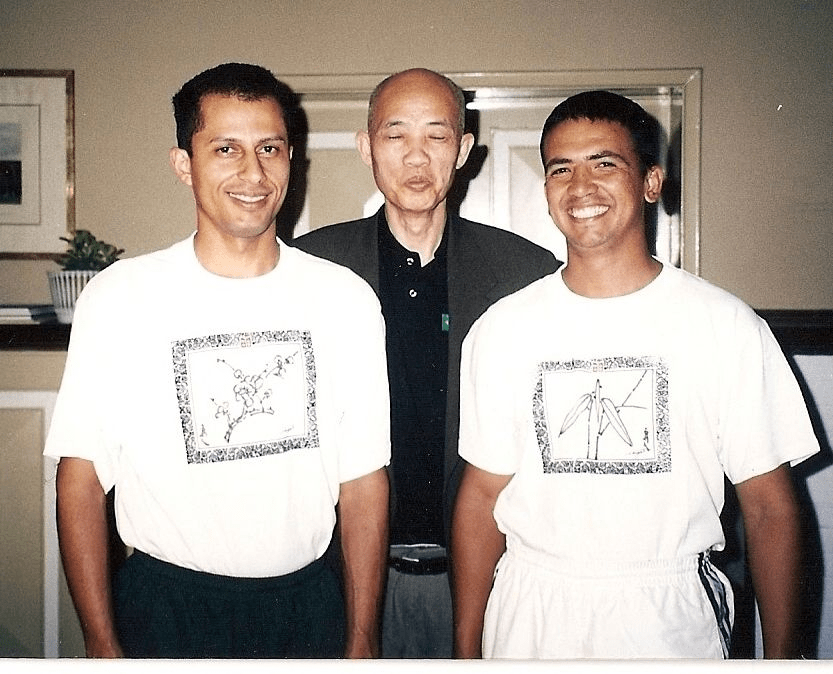
Essa reflexão surge de uma história que meu Si Fu me contou a respeito de um presente recebido do patriarca Moy Yat. Aliás, não apenas ele, mas também meu Si Suk, Marcelo Abreu o receberam. A justificativa para o presente foi a dedicação de ambos em fazer com que determinado evento acontecesse no ano de 1998. Na época, Si Taai Gung Moy Yat disse: “Quem trabalha mais merece mais.” O presente consistia em duas camisas pintadas por ele, exatamente as camisas da foto, onde estão desenhadas uma flor de ameixeira e um bambu. Considerando a mestria do patriarca Moy Yat na pintura, podemos imaginar a alegria e a honra de receber um presente criado especialmente para eles.
(This reflection stems from a story that my Si Fu told me about a gift received from Patriarch Moy Yat. In fact, not only him but also my Si Suk, Marcelo Abreu. The justification for the gift was the dedication of both in making a certain event happen in 1998. Si Taai Gung Moy Yat, at the time, said: “Those who work more deserve more.” The gift consisted of two shirts painted by him, exactly the shirts in the photo, which feature a plum blossom and a bamboo. Considering Patriarch Moy Yat’s mastery in painting, we can imagine the joy and honor of receiving this gift, painted especially for them.)
O que mais me chama atenção nesta história é a questão do trabalho. Perceba: eles trabalharam muito para fazer o evento acontecer, e isso, por si só, já tem mérito. Contudo, o principal trabalho foi o exercício da humanidade que ambos desenvolveram. Por isso, o comentário de Si Taai Gung: “Ameixeira e bambu, sempre amigas, sempre juntas.” Creio que qualquer relação acontece através do investimento contínuo e trabalhoso da humanidade entre dois indivíduos.
(What stands out to me most in this story is the issue of work. Notice: they worked hard to make the event happen; that, in itself, is commendable. However, the main work was the exercise of humanity that both developed. That is why Si Taai Gung’s comment: “Plum blossom and bamboo, always friends, always together.” I believe that any relationship happens through the continuous and laborious investment of humanity between two individuals.)
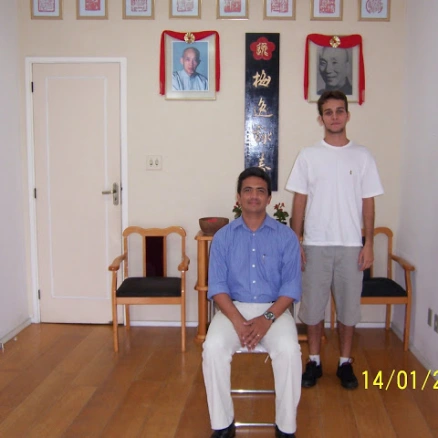
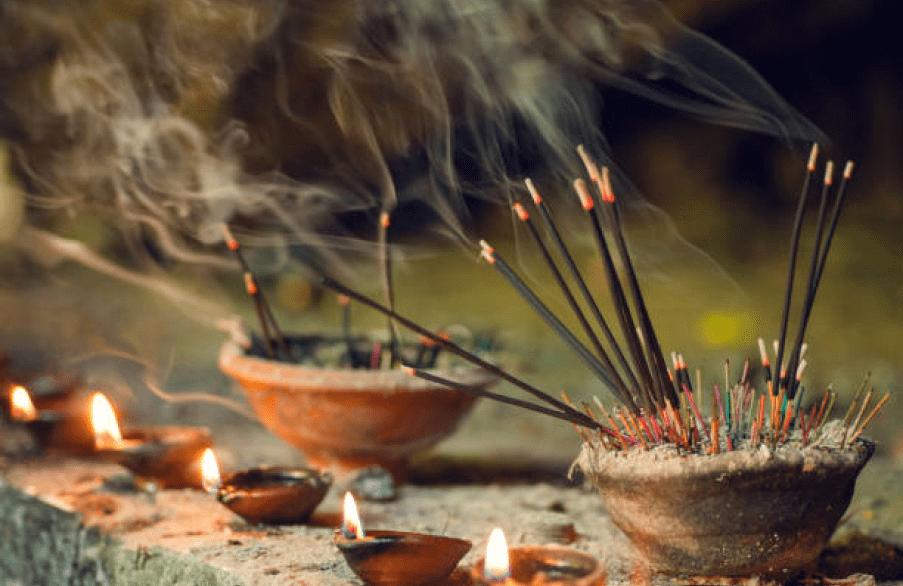
Ser capaz de avaliar saberes de outras culturas e se apropriar deles, tornando-os próprios, me parece uma habilidade específica dos artistas. Inclusive, no caso do incenso, o caráter simbólico que mais aprecio é sua capacidade de se espalhar pelo ambiente, simbolizando o conhecimento que deve estar disponível em absoluto para todos que desejarem. Com meu Si Fu, aprendo a cada dia. Há saberes aos quais tive muito acesso e já assumi para mim, e outros que preciso desenvolver. De todo modo, há sempre uma escolha. O que posso afirmar é que, como “tradere”, ou seja, tradição, tudo foi entregue. Mas nada especificamente para mim; está disponível no ar. Cabe a mim a responsabilidade de acessar ou não, conforme minha capacidade.
(Being able to evaluate knowledge from other cultures and appropriate it, making it your own, seems to me a skill specific to artists. Even in the case of incense, the symbolic character I most appreciate is its ability to spread through the environment, symbolizing knowledge that should be absolutely available to all who seek it. With my Si Fu, I learn every day. There are forms of knowledge to which I have had much access and already embraced, and others I need to develop. In any case, there is always a choice. What I can affirm is that, as “tradere,” that is, tradition, everything has been handed down. But nothing specifically for me; it is available in the air. It is my responsibility to access it or not, according to my capacity.)
Em minha titulação, Si Fu frisou em seu texto um aforismo bastante especial em nossa família: “Sigamos juntos.” Mas, mais do que reproduzir as palavras, como é comum em nossa cultura, ele destacou seu desejo de que sigamos juntos os que verdadeiramente desejarem. Isso ressoou de maneira especial para mim. Seguir junto passou a ser não apenas um desejo expresso, mas uma necessidade constante de conexão e trabalho. A isto se reflete o desejo.
(In my graduation, Si Fu emphasized, in his text, a very special aphorism in our family. Let us follow it together. But more than just reproducing the words, as is common in our culture, he emphasized his desire for us to follow together, adding: “those who truly wish to.” This is, in a very special way, meaningful to me. Following together has become not only an expressed desire but a constant need for connection and work. This is what the desire refers to.)
De toda forma: “Quem trabalha mais merece mais.” Considerando que meu desejo é honrar minha ancestralidade, posso afirmar que sim, seguiremos juntos. Quanto ao merecimento, nada me é mais valioso do que aquilo que a vida Kung Fu já me proporcionou: a possibilidade de verdadeiramente construir uma vida baseada em meus valores, que são refinados a todo momento.
(In any case: “Those who work more deserve more.” Considering that my desire is to honor my ancestry, I can affirm that yes, we will follow together. As for deserving, nothing is more precious to me than what has already been provided to me through life in Kung Fu, which is the possibility of truly building a life based on my values, which are refined all the time.)
(Fight like a woman)

Quando falamos sobre condução, é comum encontrarmos a divisão de funções. Por exemplo, um piloto tende a ser o principal condutor de seu veículo, enquanto o copiloto desempenha um papel de suporte, podendo assumir o comando em caso de necessidade. Ainda assim, mesmo plenamente capaz de pilotar, sua principal atribuição continua sendo o auxílio.
Esse tipo de divisão cria uma estrutura hierárquica que separa claramente os papéis de cada condutor, o que se acredita facilitar a gestão do processo. Afinal, quando há funções bem definidas, a tomada de decisão tende a ser mais ágil e eficaz.
Por outro lado, há também a possibilidade de compartilhamento de responsabilidades, onde cada membro do grupo possui igual importância, ainda que suas características e habilidades individuais sejam consideradas. Assim, é possível ter dois pilotos ou, como percebo em minha família Kung Fu, dois líderes.
(When we talk about leadership, it is common to find a division of roles. For example, a pilot tends to be the primary operator of the vehicle, while the co-pilot plays a supporting role, stepping in when necessary. Even though the co-pilot is fully capable of taking control, their main responsibility remains providing support.
This kind of division creates a hierarchical structure that clearly defines each role, which is believed to improve process management. After all, when responsibilities are well-defined, decision-making tends to be faster and more effective.
On the other hand, there is also the possibility of sharing responsibilities, where each member of the group holds equal importance, even while their individual characteristics and strengths are considered. In this way, it is possible to have two pilots or, as I observe in my Kung Fu family, two leaders.)

A parceria de todo casal que se respeita e se ama me parece algo natural. No caso da relação entre os líderes de nosso clã, creio que essa parceria vai além disso. Está impregnada de algo que me soa muito mais autêntico: eles são, de fato, um casal e, de alguma forma, comprovam essa condição por meio da liberdade de serem e agirem conforme seus próprios princípios. No fim, suas ações individuais fortalecem a relação de maneira especial, quase mágica, como nunca havia presenciado antes. E isso reverbera em toda a família Kung Fu.
Na experiência marcial, algum nível de desconforto é comum. Isso não significa cultuar o sofrimento, muito pelo contrário: quanto mais confortável, melhor. A diferença está no fato de que sentir-se confortável deve ser essencial justamente nos momentos críticos. Por isso, é fundamental que o Mestre permita que seu discípulo tenha as experiências necessárias, sem favorecimentos ou facilidades artificiais, mas vivenciando-as plenamente.
Lembro-me de uma ocasião, anos atrás, quando estava pintando o Mo Gun. Já era noite quando recebi uma ligação do Si Fu pedindo que eu descesse para buscar algo. Sem hesitar, desci, certo de que era algum item para levar à escola. Ao chegar ao carro, fui direto ao bagageiro, esperando que fosse aberto. Nada aconteceu. Confuso, aproximei-me do lado do motorista, onde Si Fu me entregou um embrulho ainda quente.
“Si Mo pediu para entregar”, ele disse, e partiu.
Ao abrir o embrulho, descobri que era meu jantar. Fiquei alguns minutos estático, tentando processar o que havia acontecido. Não esperava por aquilo.
(The partnership of a couple who respect and love each other seems natural to me. In the case of the relationship between the leaders of our clan, I believe this partnership goes even further. It is imbued with something that feels much more authentic to me: they are, in fact, a couple, and in some way, they affirm this through the freedom to be themselves and act according to their own principles. In the end, their individual actions strengthen their bond in a special, almost magical way—something I had never witnessed before. And this resonates throughout the entire Kung Fu family.
In martial arts experience, some level of discomfort is common. This does not mean glorifying suffering—on the contrary, the more comfortable, the better. The key difference is that feeling comfortable must be essential, especially in critical moments. That is why it is crucial for the Master to allow their disciple to go through necessary experiences, without artificial favors or conveniences, but rather by fully living through them.
I remember an occasion, years ago, when I was painting the Mo Gun. It was already nighttime when I received a call from Si Fu asking me to come downstairs to pick something up. Without hesitation, I went down, certain that it was something to take to the school. When I reached the car, I went straight to the trunk, expecting it to be opened. Nothing happened. Confused, I approached the driver’s side, where Si Fu handed me a warm package.
“Si Mo asked me to deliver this,” he said, then drove off.
When I opened the package, I found that it was my dinner. I stood there for a few minutes, motionless, trying to process what had just happened. I had not expected that.)
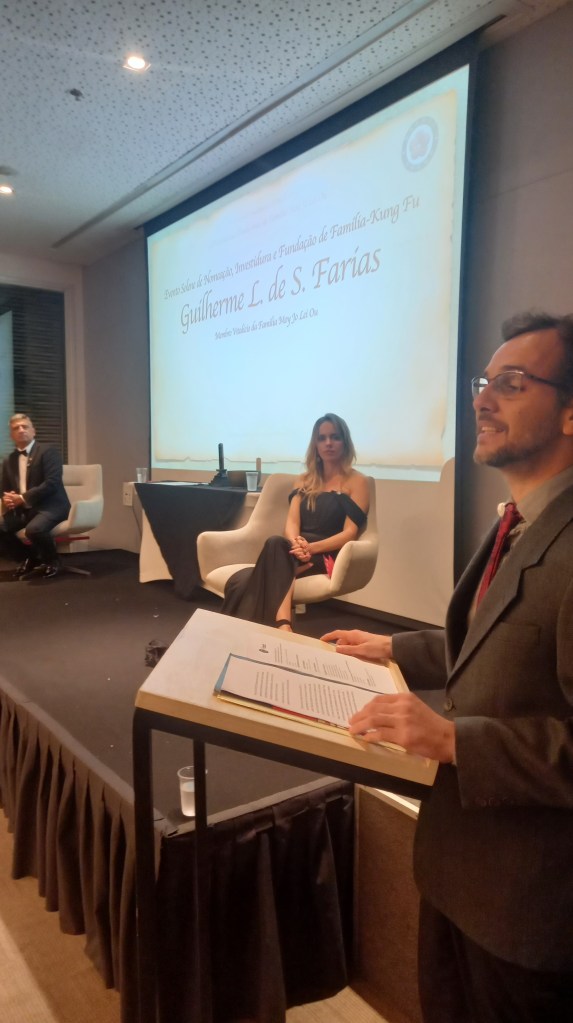
Essa experiência me fez refletir sobre uma parceria que, à primeira vista, poderia parecer distinta e até mesmo oposta, mas que, na verdade, se complementa de forma perfeita. Como mencionei, não caberia ao Si Fu trazer meu jantar. Eu deveria ter me organizado para isso. Ainda assim, Si Mo fez questão de que ele fosse entregue. E confesso que não apenas comi o melhor macarrão da minha vida, mas a experiência como um todo tornou tudo ainda mais significativo.
Há outros exemplos. Quando Si Fu teve um grave problema de saúde nos EUA, que colocou sua vida em risco, Si Mo fez questão de vir ao Brasil para nos encontrar. Compartilhou o ocorrido e garantiu que ele estava bem. Na época, concluí que Si Mo conhecia tão bem o Si Fu que sabia o quanto ele valoriza a família, e que, ao nos ver reunidos, ela alegraria seu coração, servindo como um elo entre nós. Hoje, conhecendo melhor a Si Mo, penso um pouco diferente. Acho que ela veio porque, à sua maneira, também nos tem como família e assumiu, por iniciativa própria, a missão de nos informar sobre o que aconteceu. Porque, de fato, à sua maneira, é nossa líder.
Hoje celebramos o aniversário da senhora Márcia Moura Camacho, Si Mo da família Moy Jo Lei Ou. Si Mo não apenas por ser casada com meu Mestre, mas porque escolheu ocupar um lugar de liderança e executa com mestria a missão que trouxe para si.
Neste dia, registro minha profunda admiração, carinho e reconhecimento pelo quanto meu crescimento marcial é resultado de suas hábeis atitudes. De um jeito bem diferente do meu Mestre, mas tão relevante quanto.
Feliz aniversário, Si Mo.
(This experience made me reflect on a partnership that, at first glance, might seem distinct or even opposite, but in reality, complements itself perfectly. As I mentioned, it was not Si Fu’s role to bring me dinner. I should have organized myself for that. Still, Si Mo made sure it was delivered. And I must admit—not only did I eat the best pasta of my life, but the entire experience made it even more meaningful.
There are other examples. When Si Fu faced a severe health issue in the U.S. that put his life at risk, Si Mo made a point of coming to Brazil to meet with us. She shared what had happened and reassured us that he was doing well. At the time, I concluded that Si Mo knew Si Fu so well that she understood how much he values family and that seeing us gathered together would lift his heart, serving as a bridge between us. Today, knowing Si Mo better, I see it a bit differently. I believe she came because, in her own way, she also considers us family and took it upon herself to inform us about what had happened. Because, in truth, in her own way, she is our leader.
Today, we celebrate the birthday of Mrs. Márcia Moura Camacho, Si Mo of the Moy Jo Lei Ou family. She is Si Mo not just because she is married to my Master, but because she chose to take on a leadership role and carries out with mastery the mission she embraced for herself.
On this day, I express my deep admiration, affection, and gratitude for how much my martial growth is the result of her skillful actions. In a very different way from my Master, but just as significant.
Happy birthday, Si Mo.)
(The Time of Things)
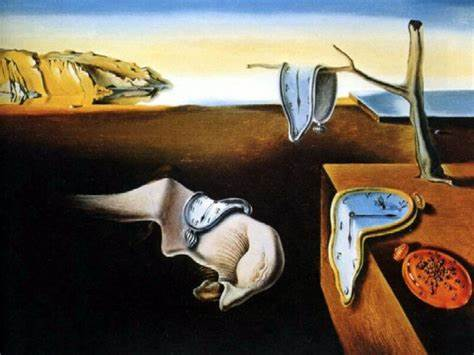
Se fosse possível obter, junto ao nascimento, um relógio que marcasse quanto tempo aquela existência perduraria, atrevo-me a dizer que esta seria uma das ferramentas mais destrutivas da humanidade. Destrutiva, pois, se soubéssemos quanto tempo haveria de vida, certamente ficaríamos presos em sua falta ou excesso e, a partir disso, dificilmente aproveitaríamos o processo.
Não à toa não existe a possibilidade de se calcular quanto tempo temos, apenas quanto tivemos. Mesmo isso, apenas como uma ferramenta, já que o que importa do tempo é sua passagem e não a sua contagem.
A partir deste entendimento, creio que o relógio possa concluir sua missão, que é de ferramenta, ferramenta de observação do tempo.
(If it were possible to obtain, at birth, a clock that marked how long that life would last, I dare say that this would be one of the most destructive tools for humanity. Destructive because, if we knew how much time we had left, we would certainly become trapped in its lack or excess, and as a result, we would hardly make the most of the process.
It is no coincidence that it is impossible to calculate how much time we have, only how much we have had. Even this is only a tool, since what matters about time is its passage, not its counting.
Based on this understanding, I believe that the clock may fulfill its mission, which is to be a tool, a tool for observing time.)
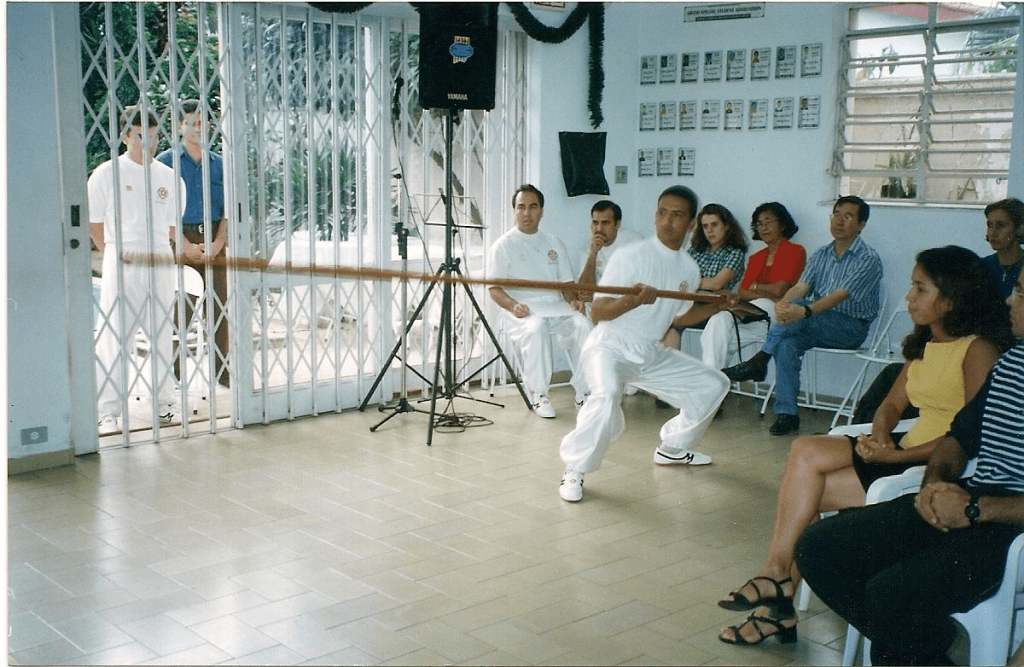
Se o tempo só pode ser compreendido pelo que vivemos, essa ideia também se reflete no Kung Fu. No Mo Gun, ambiente onde realizamos a expressão marcial do Kung Fu, algumas falas sobre a prática me ajudaram a perceber isso. Por exemplo, as vezes em que ouvi, no Mo Gun, que o patriarca Moy Yat explicava que o exercício do Kung Fu deveria ocorrer 24 horas por dia, todos os dias. Eu ficava abismado com esta afirmação, e isso se potencializava quando ouvia, em diversos encontros, comentários sobre as poucas horas de sono do Grão Mestre Leo Imamura e meu mestre, Mestre Sênior Julio Camacho. Cheguei a suspeitar que o patriarca Moy Yat não dormia. É óbvio que isso não era possível, mas demorei para chegar a alguma conclusão plausível.
O contato com meu mestre e sua constante sugestão da busca pela excelência fez-me destrinchar um caminho viável para a conclusão do meu mistério: Dormir é uma arte. Por isso, a necessidade de um bom ambiente para o sono e, mais importante, o que justifica o descanso: quero dizer, a exaustão do corpo.
Neste sentido, creio que a quantidade de horas não seja um fator relevante para garantir uma boa noite, mas sim, outra vez, sua qualidade.
(If time can only be understood through what we experience, this idea is also reflected in Kung Fu. In the Mo Gun, some statements about the practice helped me realize this. For example, the times I heard, in the Mo Gun, that Patriarch Moy Yat explained that the practice of Kung Fu should occur 24 hours a day, every day. I was astonished by this statement, and it became even more striking when I heard, in various meetings, comments about the few hours of sleep of Grand Master Leo Imamura and my master, Senior Master Julio Camacho. I even suspected that Patriarch Moy Yat didn’t sleep. Obviously, this wasn’t possible, but it took me some time to reach a plausible conclusion.
The contact with my master and his constant suggestion to seek excellence led me to break down a feasible path to solve my mystery: Sleeping is an art. Therefore, the need for a good environment for sleep and, more importantly, what justifies rest: I mean, the exhaustion of the body.
In this sense, I believe that the number of hours is not a relevant factor in ensuring a good night, but rather, once again, its quality.)
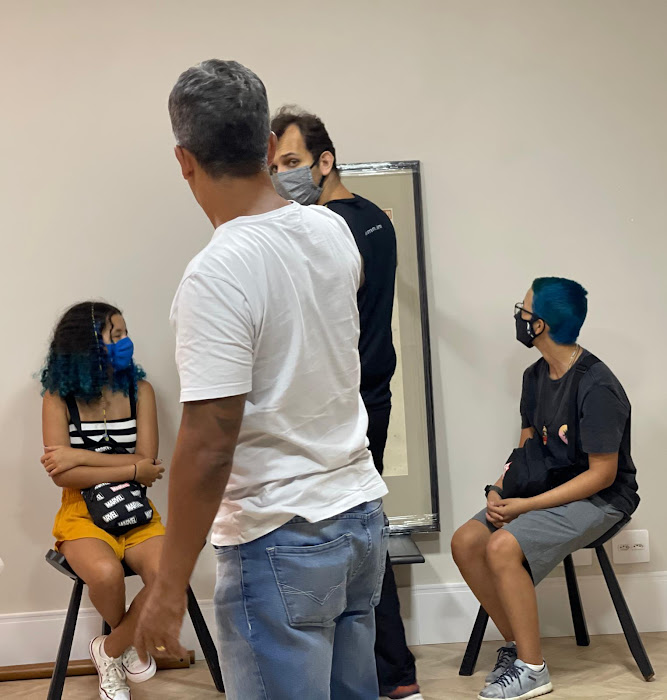
Por isso, creio que a melhor maneira de se perceber ter aproveitado ou não o momento é olhar para o que viveu. Aqui não me refiro a conquistas ou prêmios, digo, do tempo dedicado. Esse tempo pode ser mensurado, mas quanto efetivamente houve presença?
Se não houve, bom ter percebido, há tempo para ajuste, apesar de não sabermos o quanto. E não sabendo quanto, de novo, investir no processo é a melhor solução. Por isso, dormindo 10 horas ou 40 minutos, que seja o tempo suficiente, e ao acordar, continue aproveitando o tempo. O relógio é uma ferramenta, prenda-o a si, mas não se prenda a ele.
(Therefore, I believe the best way to determine whether you have truly made the most of a moment is to look at what you have lived. I am not referring to achievements or awards, but rather to the time dedicated. This time can be measured, but how much of it was truly lived with presence?
If there was none, it is good to have noticed—there is still time to adjust, though we do not know how much. And since we do not know how much, once again, investing in the process is the best solution.
So, whether you sleep for 10 hours or 40 minutes, let it be enough. And when you wake up, keep making the most of your time. The clock is a tool—wear it, but do not be bound by it.)
(From the Whole to the Part: An Exploration of the Personal Path)

O Ano Novo Chinês, também conhecido como Festival da Primavera, é a celebração mais importante do calendário chinês. Ele segue um calendário lunissolar, o que faz com que sua data varie a cada ano, geralmente caindo entre 21 de janeiro e 20 de fevereiro. Cada ano é associado a um dos 12 animais do zodíaco chinês e a um dos cinco elementos (Madeira, Fogo, Terra, Metal e Água), formando um ciclo de 60 anos. As tradições incluem reuniões familiares, refeições especiais, queima de fogos, entrega de envelopes vermelhos com dinheiro (hung baau) e rituais.
(The Chinese New Year, also known as the Spring Festival, is the most important celebration in the Chinese calendar. It follows a lunisolar calendar, which causes its date to vary each year, usually falling between January 21 and February 20. Each year is associated with one of the 12 animals of the Chinese zodiac and one of the five elements (Wood, Fire, Earth, Metal, and Water), forming a 60-year cycle. Traditions include family gatherings, special meals, fireworks, the giving of red envelopes with money (hung baau), and rituals.)
Além do ciclo de 12 anos dos animais do zodíaco, o calendário chinês também incorpora a influência das polaridades do Yin e Yang e dos cinco elementos. Isso forma um ciclo maior de 60 anos (12 animais × 5 elementos), onde cada ano alterna entre uma polaridade Yin ou Yang. Por isso, é comum a aposentadoria de um mestre ocorrer aos 60 anos. Simbolicamente, este é um indicativo de que a pessoa possui um elevado grau de maturidade, uma vez que passou por todos os animais e elementos. Contudo, cada combinação de animal, elemento e polaridade só se repete a cada 60 anos. Portanto, um ciclo completo de 120 anos representa a passagem por todas as variações possíveis, simbolizando a maturidade máxima que cada ser humano consegue atingir.
(In addition to the 12-year cycle of zodiac animals, the Chinese calendar also incorporates the influence of the polarities of Yin and Yang and the five elements. This forms a larger 60-year cycle (12 animals × 5 elements), where each year alternates between a Yin or Yang polarity. Therefore, it is common for a master to retire at the age of 60. Symbolically, this indicates that the person has reached a high level of maturity, having passed through all the animals and elements. However, each combination of animal, element, and polarity only repeats every 60 years. Therefore, a complete cycle of 120 years represents the passage through all possible variations, symbolizing the maximum maturity that any human being can attain.)
É importante notar que os 120 anos de vida são raros para um ser humano. Imagino que essa suposição seja mais um instrumento simbólico sobre a inviabilidade da maturidade completa. Contudo, mesmo inviável, ela é possível.
(It is important to note that 120 years of life are rare for a human. I imagine that this assumption is more of a symbolic tool about the unfeasibility of complete maturity. However, even though it is unfeasible, it is possible.)
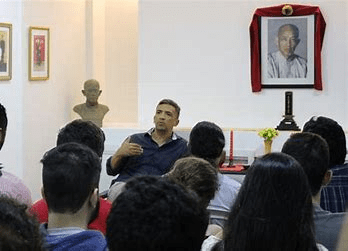
Como primeira atividade do ano no Instituto Julio Camacho, tivemos um colóquio com nosso mestre tratando justamente da celebração do Ano Novo Chinês. Particularmente, gosto muito dessas atividades pelo potencial de aprofundamento simbólico. Como lidamos com uma cultura tão distante e diferente da nossa, imergir em seus aspectos é um processo riquíssimo de aperfeiçoamento da própria cultura, além de ser um convite para uma nova avaliação da nossa própria bagagem cultural.
(As the first activity of the year at the Instituto Julio Camacho, we had a colloquium with our master specifically about the celebration of the Chinese New Year. Personally, I really enjoy these activities because of their potential for symbolic depth. Since we are dealing with a culture so distant and different from our own, immersing ourselves in its aspects is a rich process of improving our own culture, as well as an invitation to re-evaluate our own cultural baggage.)
De tudo o que foi dito, um aspecto foi o ponto ápice para mim. Si Fu explicava que poucos feriados têm a capacidade de unificar um país gigantesco como a China no sentido de se preparar e efetivamente vivê-lo, como a celebração do Ano Novo. De fato, é um único momento em que o país está todo voltado a um único objetivo. Curiosamente, e não por acaso, todo o restante daquele ano é vivido de maneira individual, ainda que a partir do pacto firmado no seu início.
(Of everything that was said, one aspect stood out as the highlight for me. Si Fu explained that few holidays have the ability to unify such a gigantic country as China in terms of preparation and truly living it, like the celebration of the New Year. Indeed, it is the only moment when the entire country is focused on a single objective. Interestingly, and not by chance, the rest of that year is lived individually, even though it originates from the pact made at the beginning.)
Por isso, os animais, elementos e polaridades. Cada um deles ou delas possui características atribuídas, e a partir disso se define a direção para onde seguir. No caso da serpente, entre outras características, é associada à capacidade de reinvenção por conta da troca de pele comum a esse animal. Por isso, ao longo do ano, é preestabelecido que este será um período em que as atitudes pessoais reverberem a ideia ou os atributos da reinvenção ou transformação.
(That’s why the animals, elements, and polarities. Each of them has attributed characteristics, and from that, the direction to follow is defined. In the case of the snake, among other characteristics, it is associated with the ability to reinvent itself due to the shedding of its skin, which is common to this animal. Therefore, throughout the year, it is predetermined that this will be a period in which personal actions will resonate with the idea or attributes of reinvention or transformation.)
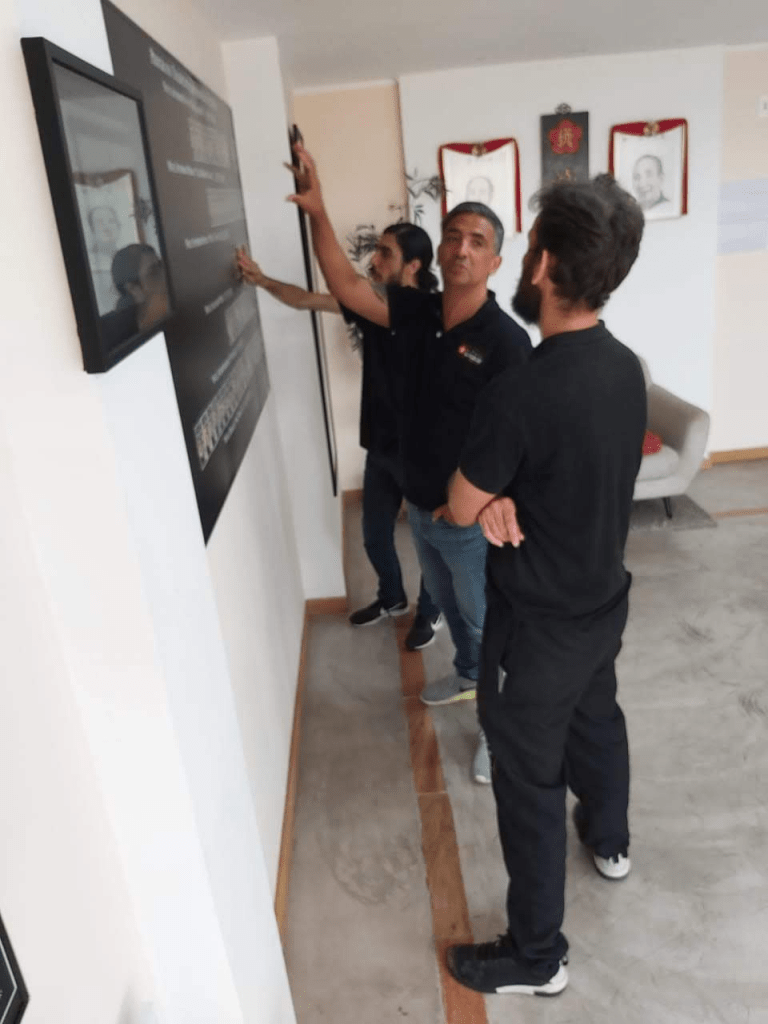
Creio que seja comum às pessoas de berço cristão a associação do símbolo da serpente com o mal. No caso de parte da minha família, justamente por conta dessa associação, a serpente também é comparada com símbolos de inveja, peçonha ou desconfiança. Em sonhos, já ouvi interpretações de que sonhar com cobra é sinal de que haverá traição, ou conversas que associavam o dito sonho a cenários interpretados como traiçoeiros. E, portanto, o ultimato: “foi a cobra que você sonhou.”
(I believe it is common for people of Christian upbringing to associate the symbol of the snake with evil. In the case of part of my family, precisely because of this association, the snake is also compared to symbols of envy, venom, or distrust. In dreams, I have heard interpretations that dreaming of a snake is a sign that there will be betrayal, or conversations that associated the dream with scenarios interpreted as treacherous. And, therefore, the ultimatum: “It was the snake you dreamed of.”)
Por conta do meu acesso a uma cultura tão distante como a chinesa e também a algum nível de contato com outro saber incomum ao meu berço, que é a psicanálise, pude entender que sim, é possível associar a serpente ao mal, como à transmutação. Portanto, em algum nível, o que vale é sua bagagem cultural e fé.
(Because of my access to such a distant culture like the Chinese one and also some level of contact with another form of knowledge unfamiliar to my upbringing, which is psychoanalysis, I was able to understand that yes, it is possible to associate the snake with evil, as well as with transmutation. Therefore, at some level, what matters is one’s cultural baggage and faith.)
Em meu caso, a condição de troca de pele vem bem a calhar, considerando os caminhos que pretendo percorrer e a necessidade de me reinventar. Já passou o momento em que devo confrontar meus medos e fazer o que é preciso, sobretudo se for deixar para trás a camada de pele que não mais me comporta. Aliás, sendo este um ano comum a esse ato, imagino que será mais fácil. Por fim, lembro que tudo isso é uma escolha: poderia ser “esta”, “aquela” ou qualquer outra, até porque cobras são apenas cobras.
(In my case, the condition of shedding skin comes in handy, considering the paths I intend to follow and the need to reinvent myself. The moment has passed when I must confront my fears and do what is necessary, especially if it means leaving behind the layer of skin that no longer fits me. In fact, since this is a year associated with this act, I imagine it will be easier. Finally, I remind myself that all of this is a choice: it could be “this one,” “that one,” or any other, because after all, snakes are just snakes.)
“On the Hunt, a Martial Perspective

O Hung Baau, envelope vermelho chinês, é um símbolo tradicional de sorte e prosperidade na cultura chinesa. Como conteúdo, é possível identificar desejos, em geral o de sorte. A forma como se materializa o desejo é o valor em dinheiro encontrado dentro do envelope. Ele é geralmente entregue durante ocasiões especiais, como o Ano Novo Chinês, casamentos e aniversários. Este é, sem dúvida, um instrumento estratégico importantíssimo, já que está repleto de simbolismos.
(The Hung Baau, the Chinese red envelope, is a traditional symbol of luck and prosperity in Chinese culture. Inside, it typically contains wishes, usually for good fortune. The way this wish materializes is through the money found inside the envelope. It is generally given on special occasions such as Chinese New Year, weddings, and birthdays. Without a doubt, this is an extremely important strategic instrument, as it is filled with symbolism.)
Vale lembrar que o Hung Baau faz parte do dia a dia da cultura chinesa, portanto, não é um instrumento utilizado apenas no ambiente marcial. Mesmo assim, cabe a nós, praticantes de um sistema marcial, ressignificar seus símbolos e usos. Por exemplo, lembro-me de que, quando iniciei minha prática, nas cerimônias tradicionais e formais, era comum se entregar Hung Baau, hábito cultivado até hoje, com uma diferença. Era recomendado que o praticante confeccionasse seu próprio Hung Baau, em vez de utilizar o que já estava disponível nos Mo Gun. Este hábito eu costumo associar a uma história que Si Fu me contou há alguns anos.
(It is important to remember that the Hung Baau is part of everyday Chinese culture and is not limited to the martial arts environment. Even so, it is up to us, as practitioners of a martial system, to reinterpret its symbols and uses. For example, I recall that when I began my practice, it was common in traditional and formal ceremonies to present a Hung Baau, a habit still maintained today, but with one difference. It was recommended that the practitioner create their own Hung Baau instead of using the ones already available at the Mo Gun. I often associate this practice with a story that Si Fu told me a few years ago.)
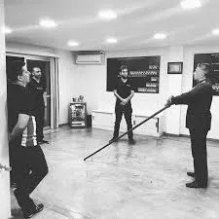
Antes da história, esclareço que a prática das artes marciais pressupõe um ambiente crítico, pois sua realização exige desenvoltura em cenários de tensão. Por isso, o simbolismo é fundamental para que seu exercício seja eficaz e, ao mesmo tempo, seguro. Considere, por exemplo, as chamadas “três grandes guerras,” ou seja, a guerra da pena, a guerra da explanação oral e a guerra da apresentação do gesto marcial.
(Before the story, I would like to clarify that the practice of martial arts assumes a critical environment, as its execution requires skill in handling tense situations. For this reason, symbolism is essential to ensure that its practice is both effective and safe. Consider, for example, the so-called “three great wars”—the war of the pen, the war of oral explanation, and the war of martial gesture presentation.)
Não é por acaso que, em cerimônias, nós enfrentamos essas guerras ao mesmo tempo, já que é comum a escrita de um documento para seu mestre, o homenageado ser convidado a falar e sempre haver demonstração física do conteúdo principal do sistema. Perceba que, em uma cerimônia, todos os envolvidos exercem sua marcialidade, não apenas os homenageados.
(It is no coincidence that, in ceremonies, we face these wars simultaneously, as it is common to write a document for one’s master, for the honoree to be invited to speak, and for there to always be a physical demonstration of the system’s core content. Notice that in a ceremony, all participants exercise their martiality, not just the honorees.)
Falando em cerimônias, voltamos à história, que é, em si, uma história sobre os ritos de determinada tribo.
(Speaking of ceremonies, we return to the story, which is, in itself, a story about the rites of a particular tribe.)
Ao atingir a idade adequada, os jovens desta tribo passavam por um ritual de maioridade. Eles precisariam caçar sozinhos um animal que serviria de alimento e símbolo de amadurecimento. No processo de preparo, esse jovem precisava confeccionar sua arma e, munido de sua capacidade de construção, entrar na mata à noite e retornar com o animal abatido.
(Upon reaching the appropriate age, the young members of this tribe underwent a rite of passage. They had to hunt an animal alone, which would serve as both food and a symbol of maturity. As part of their preparation, they needed to craft their own weapon and, relying on their ability to build, enter the forest at night and return with the hunted animal.)
O que esse jovem não sabia é que, antes de ele entrar na floresta, outros membros da tribo se adiantavam e se livravam da maior parte dos perigos, além de eles próprios encontrarem o animal e enfraquecê-lo para que, então, o neófito pudesse ser bem-sucedido. Por fim, o jovem, que entrava na floresta acreditando estar sozinho, era acompanhado por seus irmãos mais velhos em segredo e, sem saber, conduzia uma caçada mortal absolutamente protegido.
(What this young man didn’t know was that, before he entered the forest, other tribe members would go ahead and eliminate most of the dangers, in addition to finding the animal and weakening it so that the novice could succeed. In the end, the young man, who entered the forest thinking he was alone, was secretly accompanied by his older brothers and, unknowingly, led a deadly hunt completely protected.)
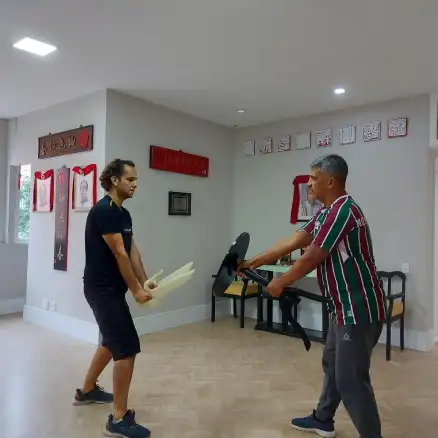
Creio que a confecção dos Hung Baau considerava exatamente essas características, sobretudo no que diz respeito à sua preparação e à sensação recorrente do praticante de que está sozinho. Sua luta, seja a escrita, a explanação oral ou a apresentação marcial, deve ser executada com afinco, mas, em si, não é nenhum tipo de teste, apenas uma representação simbólica de sua maturidade e acesso, até porque cabe aos seus irmãos mais velhos apoiarem o processo e garantirem que tudo ocorrerá de forma positiva.
(I believe that the making of the Hung Baau precisely considered these characteristics, especially regarding its preparation and the recurring feeling in the practitioner that they are alone. Their struggle, whether it is writing, oral explanation, or martial presentation, must be performed with dedication, but in itself, it is not a test—just a symbolic representation of their maturity and access. After all, it is the responsibility of their older brothers to support the process and ensure that everything will unfold positively.)
Hoje, não é protocolar a confecção do próprio Hung Baau em cerimônias. Creio que a razão disso seja o nível atual da família Kung Fu de modo geral. Penso que, atualmente, estejamos em um momento em que, mais importante do que criar protocolos que tratem especificamente dos ritos, é fazer com que todo o simbolismo esteja presente nos menores e muitas vezes invisíveis aspectos das cerimônias.
(Today, it is not customary to craft the Hung Baau in ceremonies. I believe the reason for this is the current level of the Kung Fu family as a whole. I think that, at present, more important than creating protocols specifically dealing with rites is ensuring that all the symbolism is present in the smallest and often invisible aspects of the ceremonies.)
É fato que a confecção do Hung Baau traz ao praticante um senso de responsabilidade. Entretanto, este é um instrumento estratégico que, como tal, necessita cumprir uma função e, se cumprida, deve ser trocado. Afinal, o mais importante é a imersão nas características simbólicas como um todo, não só a habilidade manual exigida.
(It is a fact that crafting the Hung Baau brings a sense of responsibility to the practitioner. However, this is a strategic tool that, as such, must fulfill a function, and once that function is fulfilled, it should be replaced. After all, what matters most is the immersion in the symbolic characteristics as a whole, not just the manual skill required.)
(The Martial Way)
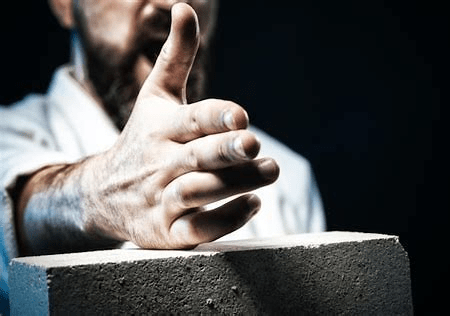
Diversos aspectos das artes marciais são transmitidos de forma reduzida ou incompleta. Em geral, isto acontece pois não estamos habituados com a cultura da arte marcial em questão ou por certa imprecisão linguística. Por exemplo, quando tratamos sobre guerra e o contexto usado é o do Ving Tsun, uma arte marcial chinesa, é importante saber traduzir o que é guerra para a cultura onde se originou tal termo.
(Many aspects of martial arts are conveyed in a reduced or incomplete manner. This usually happens because we are not familiar with the culture of the martial art in question or due to certain linguistic inaccuracies. For example, when discussing war in the context of Ving Tsun, a Chinese martial art, it is essential to translate what war means within the culture where the term originated.)
Basicamente, a guerra pode se referir ao conflito armado e à conquista dos povos. Neste caso, é tomada de grandes proporções e envolve quantidades imensas de pessoas e recursos. Por outro lado, há também a guerra diminuta no sentido de quantidade do que é externo ao combatente. Esta guerra, expressa pela crise que passa qualquer soldado em ambientes hostis, o impele a investigar seus próprios modos. Esta guerra, sim, no singular, uma vez que ambas acontecem ao mesmo tempo, é conhecida por dois nomes distintos, “Grande Guerra e Pequena Guerra”. De forma paradoxal, pequena é a guerra de maiores proporções, enquanto grande é a guerra menor. Algo bem similar à diferença entre preço e valor.
(Basically, war can refer to armed conflict and the conquest of peoples. In this case, it is vast in scale and involves immense numbers of people and resources. On the other hand, there is also the diminutive war in terms of what is external to the combatant. This war, expressed through the crisis any soldier faces in hostile environments, drives them to investigate their own ways. This war, indeed singular, since both occur simultaneously, is known by two distinct names: “Great War and Small War.” Paradoxically, the small war is the one of greater proportions, while the great war is the lesser one. It is quite similar to the difference between price and value.)
No sentido linguístico, há de se observar o uso da palavra agressividade. Etimologicamente falando, temos esta definição:
“A palavra agressividade tem origem no latim aggredi, que significa ‘ir em direção a’, ‘atacar’ ou ‘abordar’. Este termo é formado por:
Portanto, sua interpretação é indicativa de ’em direção a,’ no sentido de ação e iniciativa. Ou seja, é bastante distante de violência, que significa no sentido etimológico:
A palavra violência vem do latim violentia, que significa ‘força excessiva’ ou ‘veemência’.
(The linguistic use of the word aggression must be observed. Etymologically speaking, we have this definition:
“The word aggression originates from the Latin aggredi, which means ‘to go towards,’ ‘to attack,’ or ‘to approach.’ This term is composed of:
Therefore, its interpretation implies ‘towards,’ in the sense of action and initiative. This is quite different from violence, which etymologically means:
The word violence comes from the Latin violentia, meaning ‘excessive force'”)
Por isso, podemos entender que, quando nos referimos à arte marcial, sobretudo ao aspecto marcial no sentido de guerra, é importante frisar que tratamos especificamente da grande guerra. Esta, à qual nos dirigimos, está associada ao sentido etimológico de agressividade, o que não tem qualquer relação com violência.
Therefore, we can understand that when we refer to martial arts, especially the martial aspect in the sense of war, it is important to emphasize that we are specifically addressing the great war. This, toward which we move, is associated with the etymological sense of aggressiveness, which bears no relation to violence.
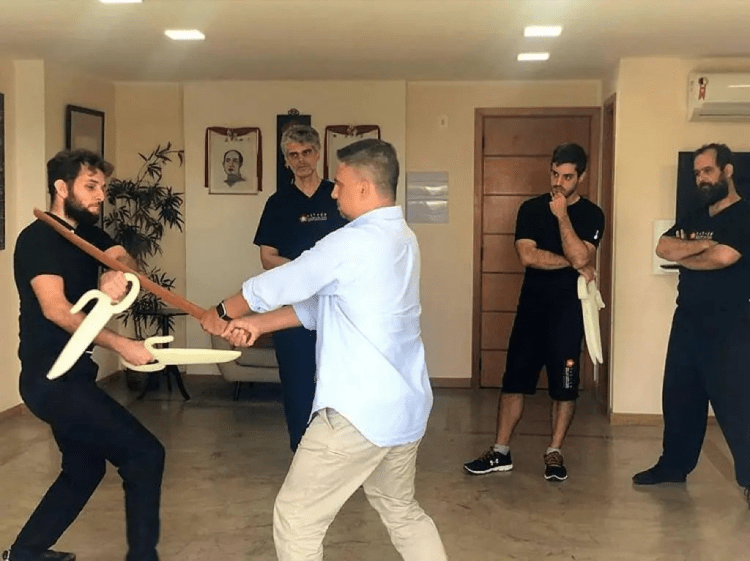
Em termos práticos, no uso dos dispositivos do Sistema Ving Tsun, entendo que a agressividade diz respeito a uma ação contundente e expressiva, que se mantém no limite anterior à lesão. Ao mesmo tempo, há aspectos mais subjetivos da experiência marcial que, embora não se relacionem diretamente aos aspectos técnicos do sistema, estão intimamente conectados a ele.
(In practical terms, in the use of the Ving Tsun System’s tools, I understand that aggressiveness refers to a forceful and expressive action that remains within the threshold before causing injury. At the same time, there are more subjective aspects of the martial experience which, although not directly related to the technical elements of the system, are deeply connected to it.)
Há alguns anos, logo no início de nossa mudança para o núcleo Recreio, época em que nossa escola estava localizada no condomínio Pedras de Itaúna, foi necessário pendurar um quadro na parede. A missão era simples, e eu fui escalado para executá-la. Munido de martelo, prego e um desejo quase obsessivo de acertar, parti em busca de meu intento. Chegando ao “campo de batalha,” uma varanda localizada no lado direito da casa, considerando sua frente, deparei-me com um muro de alguns metros quadrados que, naquele momento, me pareceu digno de confrontar a Muralha da China. De fato, era apenas uma parede, mas a caracterização simbólica que eu mesmo havia imposto me mostrava outra coisa.
(A few years ago, at the very beginning of our move to the Recreio branch, when our school was located in the Pedras de Itaúna condominium, it became necessary to hang a picture on the wall. The task was simple, and I was assigned to carry it out. Armed with a hammer, a nail, and an almost obsessive desire to get it right, I set out to accomplish my goal. Arriving at the “battlefield,” a balcony on the right side of the house when viewed from the front, I found myself facing a wall of a few square meters which, at that moment, seemed to me as imposing as the Great Wall of China. In reality, it was just a wall, but the symbolic characterization I had imposed on it made me see something entirely different.)
Após alguns minutos de observação, enquanto tentava responder a mim mesmo o que estava fazendo ali, meu Si Fu, Mestre Sênior Julio Camacho, apareceu. Entre perguntas sobre o porquê de eu não ter realizado a tarefa, desculpas estapafúrdias e lágrimas da minha parte, tentei justificar o injustificável: eu, um homem de mais de 20 anos, estava com medo de pregar um quadro. É claro que a intensidade da conversa e o cenário contribuíram para o meu mal-estar. Mesmo assim, naquela ocasião, fui incapaz de concluir a missão.
(After a few minutes of observing and trying to answer myself what I was doing there, my Si Fu, Senior Master Julio Camacho, appeared. Between questions about why I hadn’t completed the task, far-fetched excuses, and tears on my part, I tried to justify the unjustifiable: I, a man over 20 years old, was afraid of hammering a nail to hang a picture. Of course, the intensity of the conversation and the setting contributed to my discomfort. Even so, on that occasion, I was unable to complete the mission.)
Aquele quadro ficou alguns dias parado na varanda, à espreita de sua próxima vítima. Tal qual eu, incapaz de movê-lo, cheguei a imaginar que ele zombava de mim cada vez que nos encontrávamos. Eu fingia indiferença, mas, na verdade, estava profundamente ofendido.
(That picture sat on the balcony for a few days, lying in wait for its next victim. Much like me, unable to move it, I even imagined it mocking me every time we crossed paths. I pretended to be indifferent, but the truth was that I felt deeply offended.)
De todo modo, aquele quadro foi, por longos dias, a assombração das minhas noites. Tinha pesadelos em que ele era levado pelo vento ou destruído por uma chuva repentina. Até que, certo dia, ainda assustado e exausto das noites mal dormidas, resolvi pedir ajuda. Assim, vencemos a parede que, em algum momento, parecia inexpugnável.
(In any case, for many days, that picture haunted my nights. I had nightmares in which it was blown away by the wind or destroyed by a sudden downpour. Until one day, still frightened and exhausted from sleepless nights, I decided to ask for help. And so, together, we conquered the wall that once seemed insurmountable)
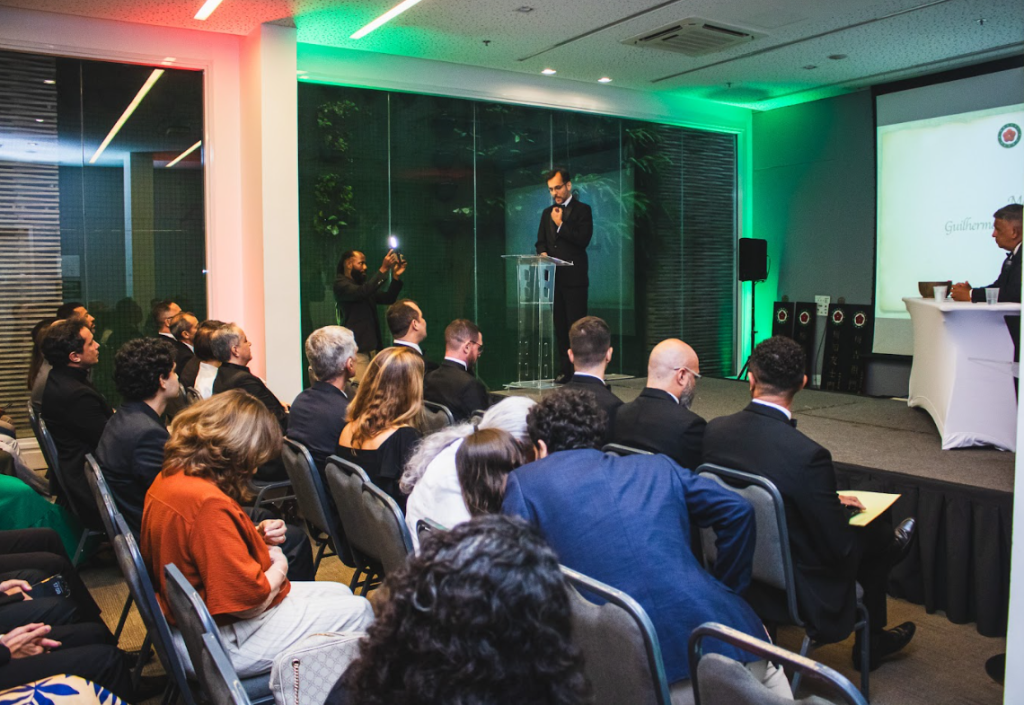
O que acontece é que todo ser humano é coberto, entre outras coisas, de fragilidades. A gravidade disso está nas camadas que as pessoas, sobretudo os adultos, utilizam para encobri-las. Parece-me que a arte marcial possui um papel fundamental em desvendar essas camadas. Por isso, é imprescindível o contato com pessoas que ajudem a desvendar os mecanismos marciais.
(What happens is that every human being is covered, among other things, by vulnerabilities. The gravity of this lies in the layers that people, especially adults, use to conceal them. It seems to me that martial arts play a fundamental role in uncovering these layers. Therefore, it is essential to have contact with people who can help you unravel martial mechanisms.)
Para isso, é necessário combater o bom combate, de maneira humilde e resiliente, atento ao fato de que as dificuldades podem ser ampliadas ou agravadas de acordo com a própria conduta. Após tantos anos de prática, entendo perfeitamente quando Si Fu expressa sua marcialidade comigo através de seu tom de voz, atitudes e propostas. Trata-se, nada mais, do que a criação de um cenário fértil para o desenvolvimento marcial. E se, em algum momento, isso me pareceu excessivamente duro, ao refletir melhor, compreendo que, na realidade, tratava-se apenas da minha própria rigidez interna, que me impedia de ser positivamente influenciado e, a partir disso, colher aprendizado.
(For this, it is necessary to fight the good fight, with humility and resilience, mindful of the fact that difficulties can be amplified or worsened depending on one’s own conduct. After so many years of practice, I now understand perfectly when Si Fu expresses his martiality with me through his tone of voice, actions, and proposals. It is nothing more than the creation of a fertile environment for martial development. And if, at some point, it seemed excessively harsh, upon further reflection, I understand that it was, in reality, only my own inner rigidity that prevented me from being positively influenced and, from there, gaining valuable learning.)
Por isso, é fundamental contar com pessoas que possam ajudá-lo a desvendar os mecanismos marciais e suas implicações no desenvolvimento pessoal. No caso do Ving Tsun, é preciso muita paciência e comprometimento para perceber o impacto de suas práticas em nossas vidas cotidianas. E, se esse sistema for realmente eficaz, como é o caso do Sistema Ving Tsun, ele pode ser útil até mesmo para lutar no sentido mais amplo da palavra.
(For this reason, it is crucial to rely on people who can help you uncover the martial mechanisms and their implications for personal development. In the case of Ving Tsun, it requires a great deal of patience and commitment to recognize the impact of its practices on our daily lives. And if this system is truly effective, as is the case with the Ving Tsun System, it can even be useful for fighting in the broadest sense of the word.)
A Translation of Fighting
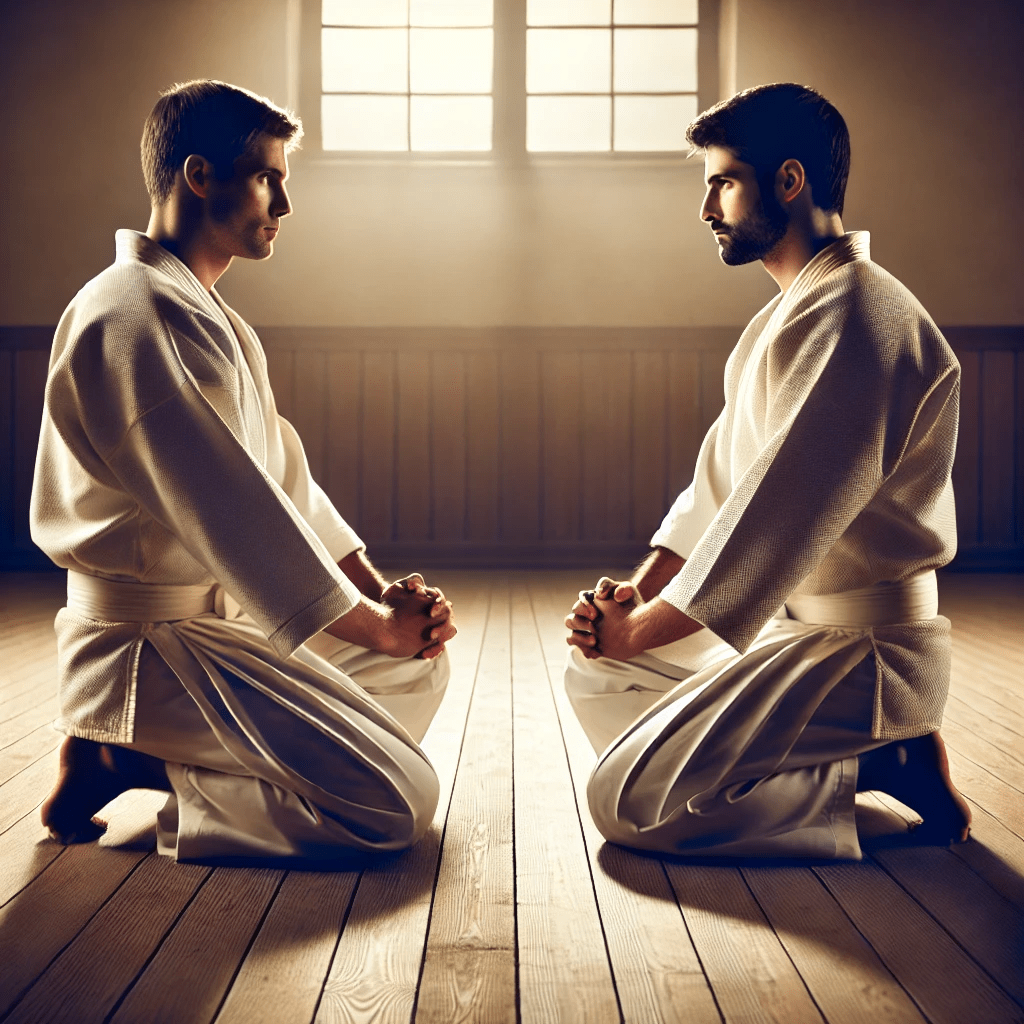
O entendimento sobre luta é diverso. O mais comum é representado pelo embate físico, inclusive como forma de entretenimento. Nestes casos, é necessário condicionamento físico e entendimento específico das regras que geram a disputa. No texto, o objetivo é tratar da luta como entendo a sua origem. Neste caso, ela não está restrita a super atletas, mas comporta o dia a dia de pessoas comuns e as adversidades enfrentadas por aqueles que vivem por detrás de camadas televisivas ou, ao menos, quando a principal imagem não gera engajamento, já que a preocupação aqui não é ganhar ou perder.
(The understanding of combat is diverse. The most common interpretation is represented by physical confrontation, often as a form of entertainment. In such cases, physical conditioning and a specific understanding of the rules governing the contest are required. In this text, the aim is to address combat as I understand its origins. In this sense, it is not limited to elite athletes but encompasses the daily lives of ordinary people and the adversities faced by those living beyond the layers of television screens or, at the very least, when the primary image does not generate engagement, as the concern here is not about winning or losing.)
Dividindo a luta em três momentos, refiro-me ao pré, momento de preparo ao evento principal; trans, transcorrer do evento principal; e pós, momento em que se chega ao fim. Entendo que a ação, no sentido de intervenção, ocorre no pré e no pós, já que o pré diz respeito ao início de tudo, e o transevento, como o momento “chave,” ocorre naturalmente. Quero dizer, se bem preparado, no transevento não é preciso fazer mais nada. Analisando de maneira aprofundada, é possível perceber que o que chamei de pós, na realidade, é o pré-evento do próximo, muito mais preparado, já que podemos nos apoiar na experiência pregressa.
(Dividing combat into three phases, I refer to the pre-phase, the moment of preparation for the main event; the trans-phase, the unfolding of the main event; and the post-phase, the moment when it comes to an end. I understand that action, in the sense of intervention, takes place in the pre-phase and the post-phase, as the pre-phase concerns the beginning of everything, while the trans-phase, as the “key” moment, occurs naturally. That is to say, if well-prepared, there is no need to do anything further during the trans-phase. Upon deeper analysis, it becomes evident that what I called the post-phase is, in reality, the pre-phase of the next event—now much more refined, as we can rely on past experience.)
Um exemplo disto é iniciar um dia de atividades. A forma como se prepara para aquelas atividades define um desenrolar positivo ou não do dia. Basta sair atrasado para o primeiro compromisso para percebermos como as coisas tenderão a se atrapalhar. Ao fim, refletindo como foram os momentos predecessores, é possível ajustar a estratégia para o próximo e assim seguir.
(An example of this is starting a day of activities. The way you prepare for those activities determines whether the day will unfold positively or not. Simply being late for the first commitment shows how things tend to get off track. In the end, by reflecting on the preceding moments, it’s possible to adjust the strategy for the next one and continue on.)
Outro aspecto que considero ao tratar sobre a luta é o inesperado. Por definição, não é possível prever o que não se espera. Portanto, o que se deve fazer é ter plena consciência das capacidades e limitações pessoais. Desta forma, seremos mais eficazes ao atuar em cenários não antecipados, já que, absolutamente conscientes de si, será mais fácil fazer ajustes. Portanto, uma base bem estruturada e algum nível de desapego sobre o que diz respeito ao sucesso ou fracasso é o espírito esperado daqueles que se definem como lutadores.
(Another aspect I consider when discussing fighting is the unexpected. By definition, it’s impossible to predict what is unexpected. Therefore, what should be done is to have a full awareness of one’s own abilities and limitations. In this way, we will be more effective in acting in unforeseen scenarios, since, fully aware of ourselves, it will be easier to make adjustments. Thus, a well-structured foundation and some level of detachment from what relates to success or failure is the spirit expected from those who define themselves as fighters.)
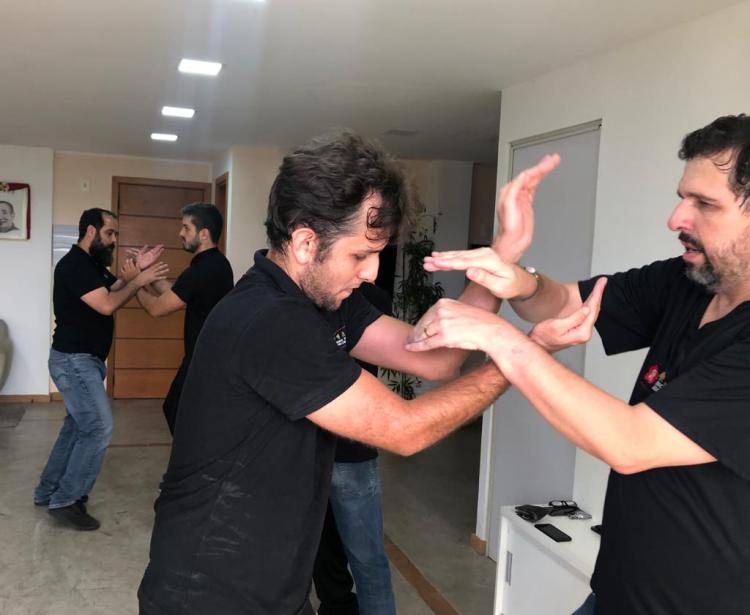
O Chi Sau, exercício utilizado no Sistema Ving Tsun que aprofunda a percepção corporal e a conexão com o adversário já que propõe que as mãos estejam sempre aderidas e toda a movmentação considere a amplitude do cenário, é bastante emblemático neste sentido. Lembro que uma das primeiras vezes em que meu Si Fu, Mestre Senior Julio Camacho, foi me orientar a execução dos movimentos, ele foi bastante específico com relação a base, explicando que antes de tocar o outro, é fundamental que se tenha uma estrutura sólida. Isso deve ser considerado em qulquer cenário.
(Chi Sau, an exercise used in the Ving Tsun System that deepens bodily perception and connection with the opponent since it proposes that the hands always remain in contact and the movement considers the full scope of the scenario, is quite emblematic in this sense. I remember that one of the first times my Si Fu, Senior Master Julio Camacho, guided me in executing the movements, he was very specific about the stance, explaining that before touching the other, it’s essential to have a solid structure. This should be considered in any scenario.)
Anos mais tarde, conduzindo uma prática com alguns irmãos Kung Fu e novos membros, quis fazer uma demonstração com um praticante novo, aqui vale um parênteses e volto a relevância do preparo, a decisão que tomei não foi a mais inteligente, já que não conhecia bem aquela pessoa nem mesmo o seu potencial, outro problema, por distração, desconsiderei a recomendação tão antiga de meu mentor e me posicionei totalmente sem base. O resultado foi que após seu golpe, que foi totalmente inesperando no sentido de pressão para mim, cai de costas no chão e, ato sequente, lembrei da imagem de Si Fu de anos atrás e o que ele me disse.
(Years later, while leading a practice with some Kung Fu brothers and new members, I wanted to make a demonstration with a new practitioner. Here, I must pause and return to the importance of preparation. The decision I made wasn’t the most intelligent, as I didn’t know that person well nor their potential. Another issue, due to distraction, was that I disregarded the long-standing advice of my mentor and positioned myself completely without a solid stance. The result was that after their strike, which was completely unexpected in terms of pressure on me, I fell backward to the ground and, in that instant, I recalled the image of Si Fu from years ago and what he had told me.)
Depois disto, foi curioso ver a movimentação de todos os presentes. Se aproximaram de mim para verificar se eu tinha me machucado, não foi o caso, tive tempo de me preparar para o impacto no chão, também me chamou a atenção postura de quem me golpeou, bastante solícito e preocupado com o que havia ocorrido. Levantei, conversamos um pouco sobre o ocorrido e a aula transcorreu normalmente.
After that, it was interesting to observe the reactions of everyone present. They approached me to check if I was injured, but that wasn’t the case; I had time to prepare for the impact with the ground. What also caught my attention was the attitude of the one who struck me, very helpful and concerned about what had happened. I got up, we talked a bit about the incident, and the class proceeded as usual.
A reflexão que aconteceu após o incidente foi sobre a postura marcial. Falamos sobre responsabilização e a capacidade de aprender diante de cenários diversos. Aprendi com meu Si Fu que devemos nos responsabilizar por nossa vida, mesmo diante de cenários que fogem do nosso controle ou indesejados. Como o caso foi de um cenário indesejado, expliquei sobre como a minha postura estava em desacordo, em algum nível, com a perspectiva marcial que é a de preparo. Ao mesmo tempo, foi justamente aquele cena que reforçou o comentário que Si Fu reproduz há tantos anos que é o de iniciar qualquer movimento com uma base sólida.
(The reflection that followed the incident was about martial posture. We talked about responsibility and the ability to learn in different scenarios. I learned from my Si Fu that we must take responsibility for our lives, even in situations that are beyond our control or undesirable. Since this case involved an undesirable scenario, I explained how my posture was, to some extent, in disagreement with the martial perspective, which is one of preparation. At the same time, it was precisely that scene that reinforced the comment Si Fu has repeated for so many years, which is to begin any movement with a solid foundation.)
Poucas são as pessoas que trabalham com o que se chama de luta e, portanto, podem ter um olhor desenvolvido para este tipo de percepção, por isso, cabe a mim informar e reforçar que essa possibilidede está disponível a todos que desejeram. Basta transformar a luta nos afazeres do dia a dia, usar a competência do preparo e aprendizado constante aos cenários mais comuns e entender, por fim, que rotina não é sinônimo de mesma coisa em dias seguidos. Luta pode inclusive ser um mecânismo para atualizar este olhar.
(Few are the people who work with what is called fighting and, therefore, can develop an eye for this type of perception. That is why it is up to me to inform and reinforce that this possibility is available to all who wish it. It is enough to transform fighting into the tasks of everyday life, using the competence of preparation and constant learning in the most common scenarios, and finally understanding that routine is not synonymous with doing the same thing on consecutive days. Fighting can even be a mechanism to update this perspective.)

 Escritos Marciais